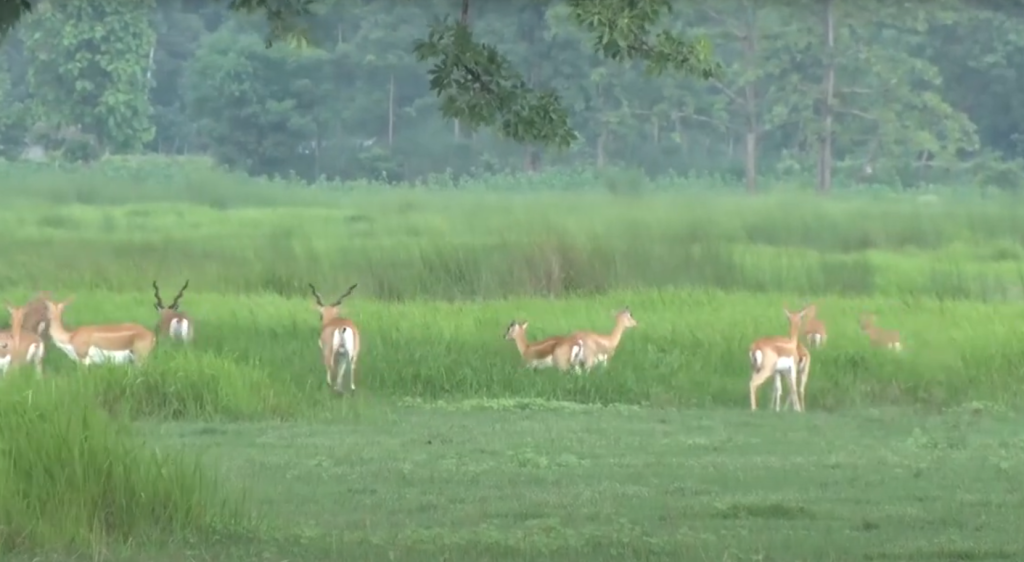
Bardiya National Park has reopened its popular jeep safari for tourists, which had been closed since mid-July. Officials say the resumption has brought back tourists in growing numbers.
According to Saroj Mani Paudel, Information Officer and Senior Conservation Officer at Bardiya National Park, the recent protest by Generation-Z activists had affected tourist arrivals, but the situation is now improving. He noted that about 15–20 foreign visitors and a larger number of Nepali tourists are entering the park daily.
Although arrivals remain relatively low due to the monsoon season, Paudel expects the numbers to rise significantly by Dashain. “The jeep safari, which was closed for a month, has now resumed for tourists,” he said.
Mixed Views from Tourism Entrepreneurs
Tourism entrepreneurs, however, remain concerned. Krishna Prasad Bhattarai, a local tourism entrepreneur, said tourist arrivals have been disappointing after the U.S. and other countries issued travel advisories against visiting Nepal. He added that the monsoon season has also contributed to low turnout.
On the other hand, tourism entrepreneur Ramji Thapa said both domestic and foreign tourist arrivals are gradually increasing, with bookings starting to materialize.
In fiscal year 2081/82 (2024/25), Bardiya National Park welcomed 28,068 tourists, including domestic, SAARC, and international visitors. This was over 2,000 more than the previous year, when 19,010 Nepalis, 1,540 SAARC nationals, and 7,518 foreign tourists visited. In FY 2080/81 (2023/24), the numbers were 18,010 Nepalis, 1,437 SAARC visitors, and 6,684 foreign tourists.
The park, renowned worldwide for its Bengal tigers, has recorded a steady increase in visitors over the past few years. In FY 2078/79 (2021/22), 16,297 tourists visited, while in FY 2079/80 (2022/23), the number rose to 24,398.
Rich Wildlife and Visitor Attractions
Entry fees are set at NPR 100 for Nepalis, NPR 750 for SAARC nationals, and NPR 1,500 for other foreign visitors. Paudel said most tourists come to see Bengal tigers. The park is home to around 125 tigers, 120 elephants, and 38 rhinos, some of which occasionally cross into India’s Katarniaghat Wildlife Sanctuary.
Tourists typically enjoy jeep safaris and walking tours to view wildlife. In addition to tigers, they can spot rhinos, elephants, and other species.
Outside the park, there are more than 30 hotels and around 20 homestays, with Dalla Homestay being particularly popular. Visitors also explore the Khata Biological Corridor, including Dalla and Pattharbojhi villages. Other attractions include the crocodile and gharial breeding center, Tharu Museum, the enclosure housing problem tigers, and a visually impaired rhino kept near the park headquarters.
Related posts:
 Guidelines to implement the “Make in Nepal” program have been approved by the government
 Nepal is expected to experience a power outage because India is prepared to provide only 75 MW of electricity throughout the winter
 The NAC Wide-Body Aircraft Corruption Scam will be investigated again
 NRB acquires responsibility for overseeing crisis-ridden The Karnali Development Bank
 339,000 people receive NOC over a four-year period
 The NRB suggests new regulations that would let cooperatives to get bank loans
 The president halts an ordinance pertaining to land, forests, and national parks, citing “sensitive issues”
 Two hackers who increased Bhatbhateni’s tax liability by Rs 68 million are arrested by CIB
 CAAN’s request to prohibit the import of European helicopters is rejected by the Aviation Ministry
 469 Nepali Workers Stranded in Saudi Arabia for Nine Months Still Await Rescue After Company Shut Down
 Nepal Sees Major Fluctuation in Paddy Production Over the Years
 Nepal Lists 148 Varieties of Rice: Growing Demand for Indigenous Rice in Cities