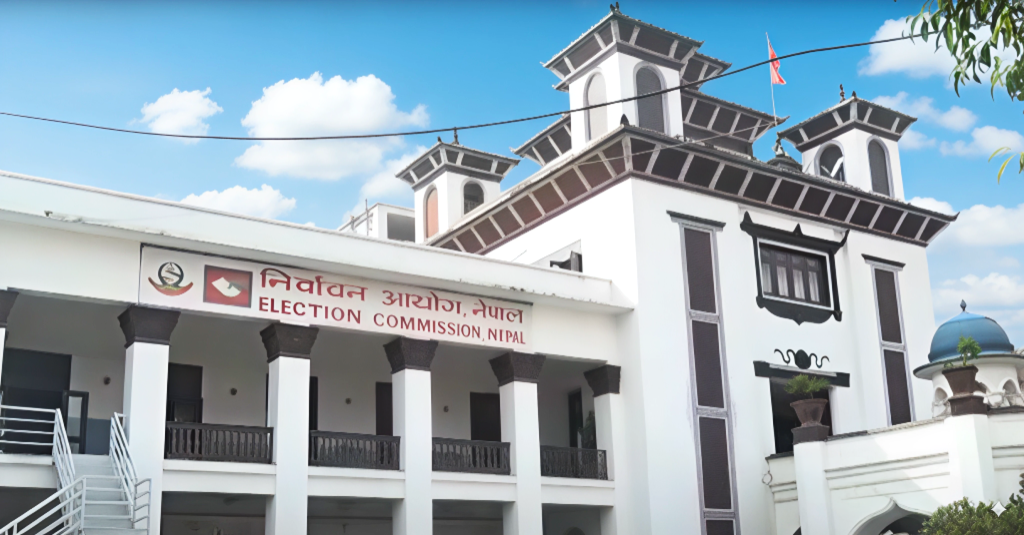
The interim government led by former Chief Justice Sushila Karki faces the urgent responsibility of conducting the House of Representatives election on March 5, 2026 (21 Falgun 2082), amidst a fragile political and security environment.
Formed through the momentum of the Gen-Z movement, the Karki-led administration must balance the demands of protesting youth with the concerns of traditional political parties to ensure a free and fair election.
Election Commission Prepared, But Resources Needed
The Election Commission (EC) has expressed readiness to conduct polls on the scheduled date, provided that the government ensures adequate resources. Acting Chief Election Commissioner Ram Prasad Bhandari said:
“The commission is always prepared for elections, but successful execution depends on timely allocation of budget, manpower, and logistical support from the government.”
Currently, two commissioner posts remain vacant at the EC, raising additional challenges for institutional capacity.
Security and Credibility Challenges
Former Election Commissioners warn that merely setting an election date is not enough. Surya Prasad Shrestha stressed that public trust, political party participation, and a secure environment are fundamental preconditions for credible elections.
More than 70 people lost their lives during last week’s protests, while major government institutions, including Singha Durbar, Federal Parliament Building, and the Supreme Court, were vandalized or set ablaze. Election offices in seven districts were also destroyed, creating further logistical hurdles.
Expert Opinions on Political and Legal Aspects
- Prof. Birendra Prasad Mishra, former commissioner, highlighted that elections must not only be technically sound but also politically credible: “Elections are the oxygen of democracy. Political parties must feel safe and engaged. Without their participation, elections become meaningless.”
- Constitutional expert Ram Prasad Shrestha noted that while the government must work within the framework of the constitution, ensuring elections is the only viable option to transfer power peacefully.
- Chandrakant Gyawali, senior constitutional lawyer, added that although the interim government was formed under extraordinary circumstances, its mandate is strictly limited to holding elections. Any long-term reforms, including demands for directly elected executives, would require constitutional amendments by the next parliament.
Youth Participation Concerns
Despite being the driving force behind the Gen-Z movement, many young people may not be able to vote, as the voter roll has already closed under current legal provisions. Legal amendments would be required to reopen registration, but with no parliament in place, changes can only be made through ordinances.
Way Forward
The Karki-led government now faces a dual challenge:
- Restoring peace and security to ensure free political participation.
- Allocating necessary resources to the Election Commission on time.
The success of this interim government will ultimately be judged by its ability to conduct credible, peaceful, and corruption-free elections, paving the way for a smooth democratic transition.
Related posts:
 Police send an attorney a charge sheet about the cooperatives scam against RSP chairman Lamichhane and fifty other people
 Mayor Shah of KMC will take action against the Chief Executive Officer
 KMC distributes vehicles in violation of its own policies
 Since Chairman Lamichhane is still imprisoned, RSP is led by Make-Do
 UML finally takes up constitution rewriting after defeating Congress
 Prabhu Bank guarantees Rabi’s release with a sum of Rs 22.5 million
 For the key departments of the party, Unified Socialist appoints heads and deputy chiefs
 Rabi Lamichhane gets released by the Chitwan District Court on a bail of Rs 5.4 million
 Bidhya Devi Bhandari Returns to UML Politics with Renewed Commitment
 Bribery Scandal Rocks Pokhara Land Deal: Ministers Implicated, One Resigns
 Proposal to Oust Deputy Speaker Indira Rana Postponed Amid Small Parties’ Resistance
 Nepali Political Parties Ready to Contest Elections Amid Constitutional Concerns